
Reading an Amelia Owner-of-Record Card
The Commissioner of the Revenue handles Amelia's real-estate assessment. No live parcel card appears online. So the exact owner label, vesting fields, effective date, and history controls remain unverified. Use the grid as a checklist when an official result is available. Copy the county's wording, not assumed labels.
| Owner name | Copy the exact displayed party, including entity or estate wording. |
|---|---|
| Title form | Read the deed to see how grantees hold the interest. |
| Mailing address | Address used for tax notices; it may be off-site. |
| Situs | Location of the Amelia land being assessed. |
| Deed citation | Use the recorded reference to find the transfer instrument. |
| Effective date | Check the record date and ask the Commissioner about update timing. |
An owner of record says nothing about who lives there. The mailing address serves tax notices. It is not a verified residence, so do not infer occupancy or personal relationships from it.
Confirming Amelia’s Present Title Record
Check the newest recorded deed against the assessment owner before trusting either one. Match the parcel's legal description, not just the street address. The Commissioner of the Revenue posts no published update schedule, so a deed recorded after the last assessment snapshot is often the fresher evidence of who holds title. Search the clerk's land index for the instrument number. Then pull the image or a copy and read exactly how the property was conveyed.
- Find the owner name and parcel reference in the Commissioner’s real-estate assessment record.
- Search COVERS/SRA for the latest deed that describes the same land.
- Read the grantee and title wording, and follow any cited prior deed or court authority.
- Use the mailing field only for a legitimate property matter, not to infer who occupies the site.
- Owner of record
- The party shown by the assessment or conveyance record for its own purpose.
- Vesting
- The way the deed describes how grantees hold title.
- Registered agent
- A company contact in an SCC filing, not necessarily a property owner.
Using Amelia Owner Information Carefully
Amelia property records can show an owner of record and a mailing address. Virginia law shields some of that information. The Address Confidentiality Program gives eligible participants a substitute address. Certain confidentiality rules apply to covered records. Never try to work around those protections. Ask the records custodian what may lawfully be released. Use the county's published contact path for any property matter.
Lawful use. Keep an owner inquiry tied to a real property, tax, title, or civic issue. Do not use a name or address to stalk, threaten, or harass anyone.
Amelia Assessment Timing After a Transfer
The Commissioner publishes no set interval. It does not announce when the assessment roll gets updated after a deed is recorded. No current reassessment cycle or revaluation year is posted. A recent buyer may need to check both systems. Compare the deed recording date with the assessment effective date where one appears. Then ask the Commissioner which entry drives the current tax bill.
Never treat a stale or unchanged online card as proof that no transfer happened. The land index and the tax roll answer different questions. The latest recorded instrument is the conveyance evidence; the assessment entry supports taxation. Keep both references handy when the dates differ.
Amelia Deed Images Confirm the Grantee
Virginia's secure remote access can offer a land-record index without free images. Viewing images may require clerk authorization and a subscriber agreement. Amelia's online start year, image coverage, and exact deed fields are not published. The latest index entry may fit your parcel. The text may still be unavailable. In that case, contact the Circuit Court Clerk with the grantor, grantee, approximate date, and parcel description.
The state access page explains these limits. It does not return an Amelia deed result. It shows why the index citation and the instrument copy are two separate steps. Review Virginia SRA access information before choosing an online, counter, or mail request route.
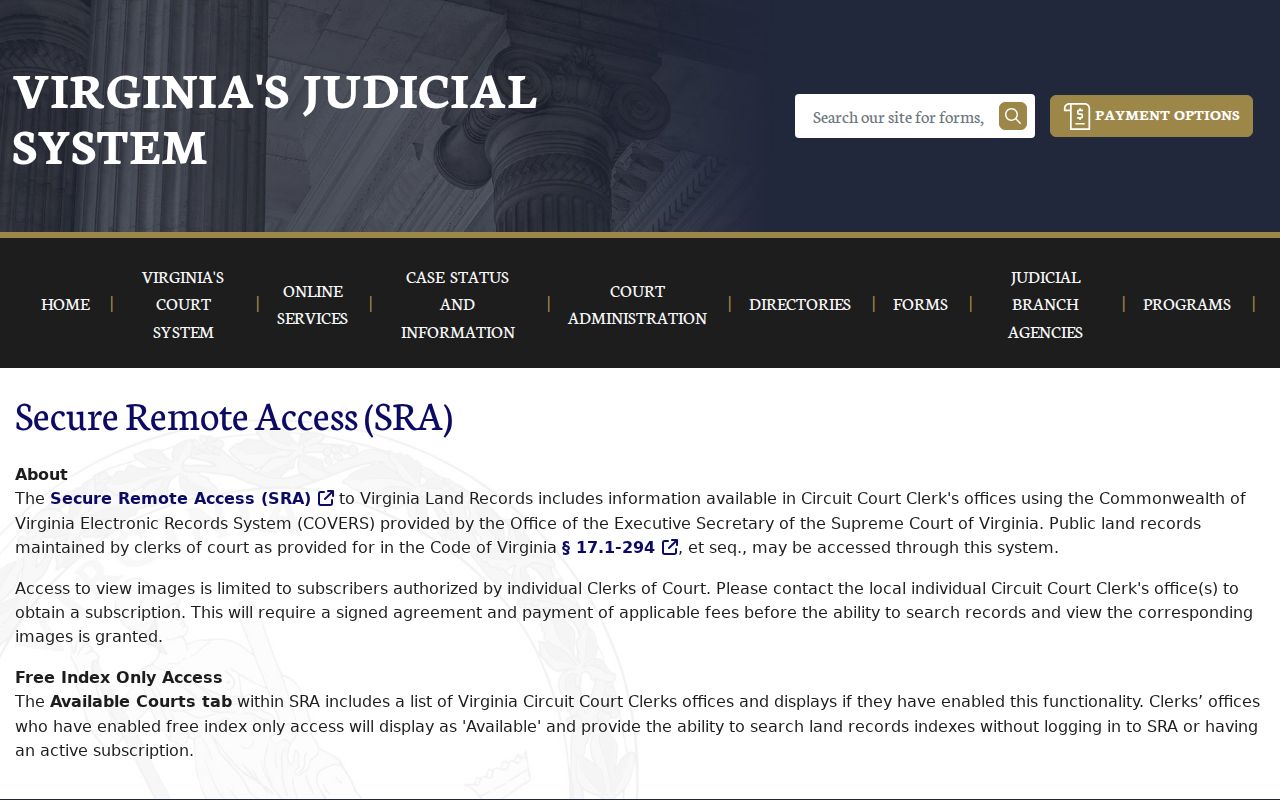
Locate a candidate deed through the index, then open the recorded image and confirm the grantee named on it.
Amelia Owners Named Through an Entity
The current record sometimes names an entity rather than a person. A trust, LLC, estate, trustee, or executor may hold title. Read the deed closely. It shows the actual grantee and the authority cited for the transfer. A Virginia SCC business filing can clarify an LLC's legal name or registered agent. It does not establish what land the company holds. For an estate, follow the will, fiduciary record, or court order into the deed index.
Use exact spellings and preserve punctuation. When two entities have similar names, compare their formation details and the deed's legal description. The assessment system may abbreviate a name. The recorded instrument remains the better place to see the full conveyance language for Amelia County property records.
Amelia Situs and Mailing Clues
The situs tells you where the parcel sits. The mailing address tells you where the county sends a notice. An owner may live elsewhere. He may use a post-office box, or hold several tracts under one mailing address. Amelia Court House is a CDP and the county seat, not a separate municipal tax district. So postal wording never creates a second owner roll in Amelia County.
Compare the map label, legal description, and deed before accepting any owner match. Rural community names and old road references can differ from the current mailing address. If the parcel itself is uncertain, use the map and recorded plat first. Only then should you trust the owner field.
Requesting Amelia Ownership Documents
For a certified deed, contact the Amelia Circuit Court Clerk. The same office handles copies that are not online. The clerk's page lists Marilyn Wilson, P.O. Box 237, Courthouse Square, Amelia, VA 23002-0237, phone 804-561-2128, fax 804-561-6364, and hours of 8:30 a.m. to 4:30 p.m. Provide the parties, the recording reference, and a parcel description. Ask about current copy, certification, mailing, and electronic delivery costs.
The Commissioner can explain an assessment record. The Treasurer can explain a tax ticket. Route each request to the office that holds that specific record. A certified assessment card and a deed are different documents. Each carries different evidentiary weight in Amelia County.
Look Back Before Calling an Owner Current
Today's owner of record is not always settled by one deed. An estate can leave the chain murky. A family split can too. So can a transfer that never got recorded. Amelia County's records at the Library of Virginia reach back through grantor deed indexes covering 1954 to 1974. Older deed books, wills, and fiduciary papers sit alongside them. The current cutoff for the senior or archival records is not published. Ask the clerk and the Library of Virginia which years cover your parcel. Working backward through both grantee and grantor entries is the reliable way to close the gap. Match details like acreage, the road, adjoining owners, or plat references as you go.
The Amelia former-owner chain walks through that backward method in fuller detail. Once the historical gap is resolved, confirm present title against the newest operative instrument.